

Understanding Depression: Signs, Causes & Support Options in the USA
Page Purpose
This page is created to provide clear, reliable, and educational information about depression. The goal is to raise awareness, improve understanding, and guide individuals and families in the United States toward appropriate support resources. This content is for educational purposes only and does not
replace professional medical advice.
What Is Depression?
Depression is a common mental health condition that affects how a person thinks, feels, and functions in daily life. It goes beyond temporary sadness and can impact emotions, energy levels, concentration, sleep, and overall well-being. Depression can affect people of all ages, backgrounds, and communities
across the USA.
Understanding depression is an important step toward reducing stigma and encouraging individuals to seek appropriate support. With proper mental health education, communities can better recognize symptoms and respond with empathy and care.
Common Signs of Depression
The signs of depression can vary from person to person. Some individuals experience emotional symptoms, while others notice physical or behavioral changes.
Emotional Signs
- Persistent feelings of sadness or emptiness
- Loss of interest in activities once enjoyed
- Feelings of hopelessness or worthlessness
- Increased irritability or frustration
Physical and Behavioral Signs
- Changes in sleep patterns
- Low energy or fatigue
- Difficulty concentrating or making decisions
- Changes in appetite or weight
- Withdrawal from social activities
Recognizing these signs early can help individuals and loved ones take timely steps toward support.
Possible Causes of Depression
Depression does not have a single cause. It usually develops due to a combination of factors that affect mental and emotional health.
Biological Factors
- Chemical imbalances in the brain
- Family history of depression
Psychological Factors
- Prolonged stress or trauma
- Low self-esteem or negative thinking patterns
Social and Environmental Factors
- Major life changes
- Financial stress or job-related pressure
- Social isolation or lack of support
Understanding these causes helps promote compassion and reduces misconceptions around mental health.
Why Depression Awareness Matters?
Depression awareness plays a vital role in building healthier communities across the USA. When people are informed, they are more likely to recognize symptoms, support others, and seek help without fear or stigma.
Mental health education encourages open conversations and empowers individuals to take proactive steps toward emotional well-being. Awareness also helps families, workplaces, and communities create supportive environments for those affected by depression
Support Options Available in the USA
There are many free and low-cost depression help resources available across the United States. Accessing the right support can make a meaningful difference.
Community and Educational Support
- Mental health awareness programs
- Educational workshops and online resources
- Community-based nonprofit organizations
Crisis and Emotional Support
- 988 Suicide and Crisis Lifeline
- Local mental health helplines
- Online peer support communities
These resources focus on guidance, emotional support, and education rather than diagnosis or treatment.
When to Seek Help
If feelings of depression persist or interfere with daily life, seeking support is an important step. Early help can prevent symptoms from becoming more overwhelming and encourage healthier coping strategies.
Reaching out to trusted organizations, community resources, or mental health professionals can provide valuable guidance and reassurance.
Our Commitment to Mental Health Education
As a nonprofit organization, our mission is to promote depression awareness and mental health education in the USA. We aim to provide accurate information, reduce stigma, and connect individuals with supportive resources.
By learning more about depression, individuals and communities can work together to support emotional well-being and foster hope.
Disclaimer
This content is intended for educational and awareness purposes only. It does not provide medical advice, diagnosis, or treatment. If you or someone you know is in immediate distress, please contact local emergency services or the 988 Suicide and Crisis Lifeline.
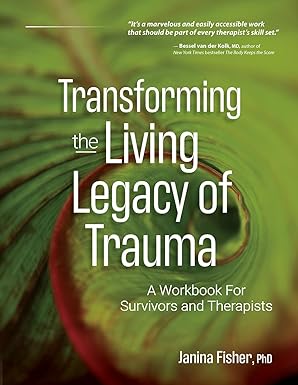
45% Off
Transforming The Living Legacy of Trauma: A Workbook for Survivors and Therapists
Price : $19.29 34.99
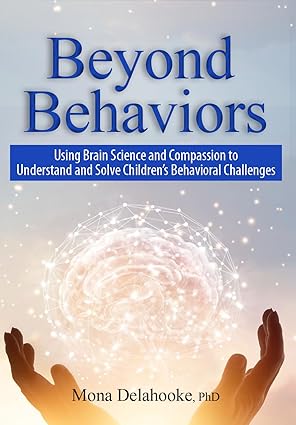
64% Off
Beyond Behaviors: Using Brain Science and Compassion to Understand and Solve Children’s Behavioral Challenges
Price : $12.49 34.99
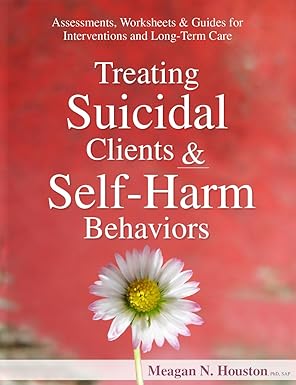
32% Off
Treating Suicidal Clients & Self-Harm Behaviors: Assessments, Worksheets & Guides for Interventions and Long-Term Care
Price : $20.28 34.99

The Family Therapy Workbook: 96 Guided Interventions To Help Families Connect, Cope, and Heal
Price : $ 29.99
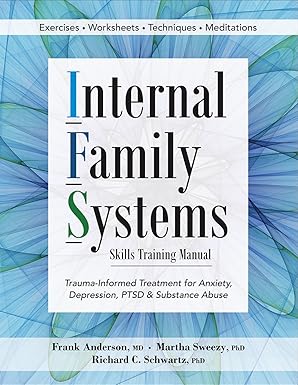
56% Off
Internal Family Systems Skills Training Manual: Trauma-Informed Treatment for Anxiety, Depression, PTSD & Substance Abuse
Price : $15.35 34.99
53% Off
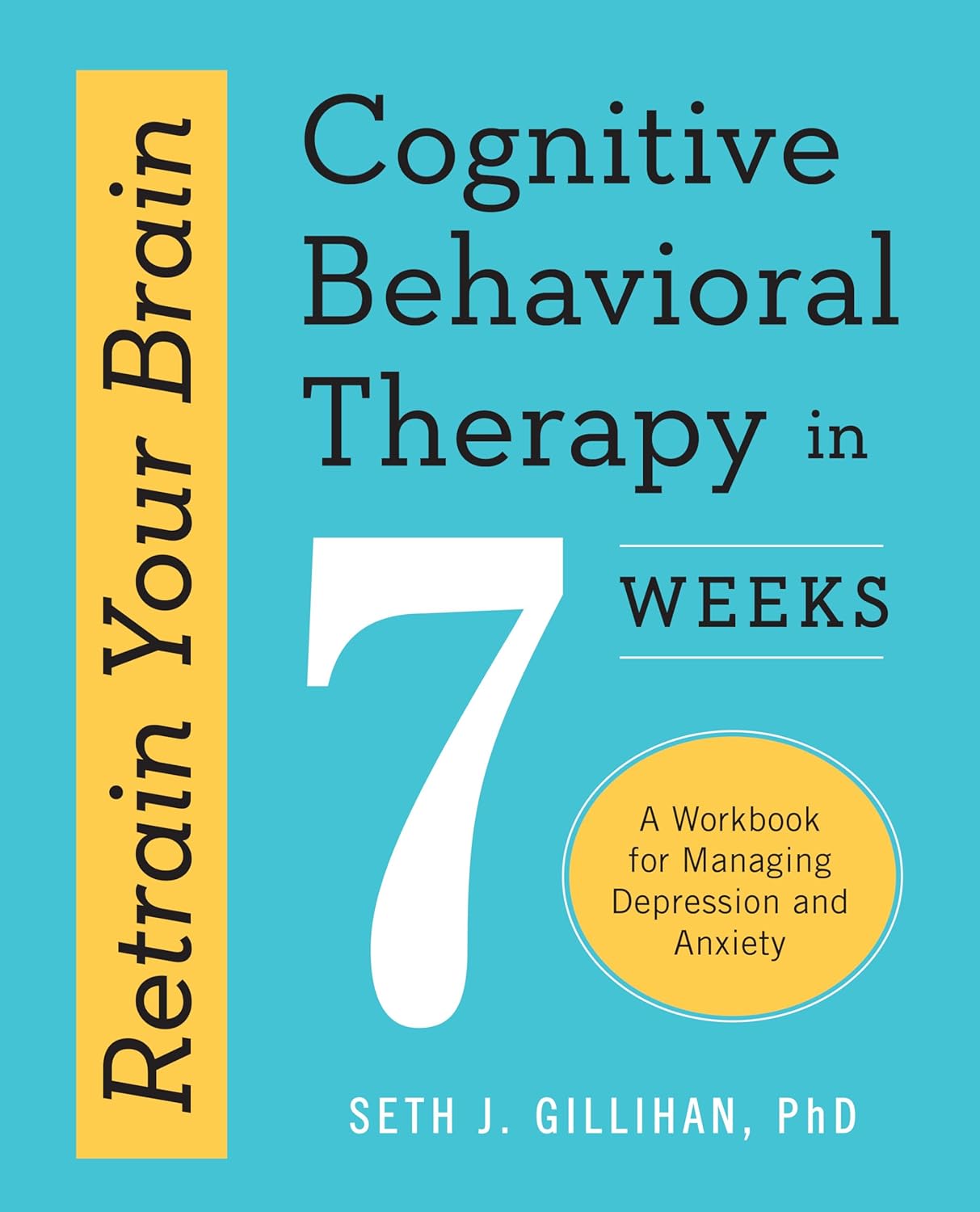
Retrain Your Brain: Cognitive Behavioral Therapy in 7 Weeks: A Workbook for Managing Depression and Anxiety (Retrain Your Brain with CBT)
Price : $7.55 15.99
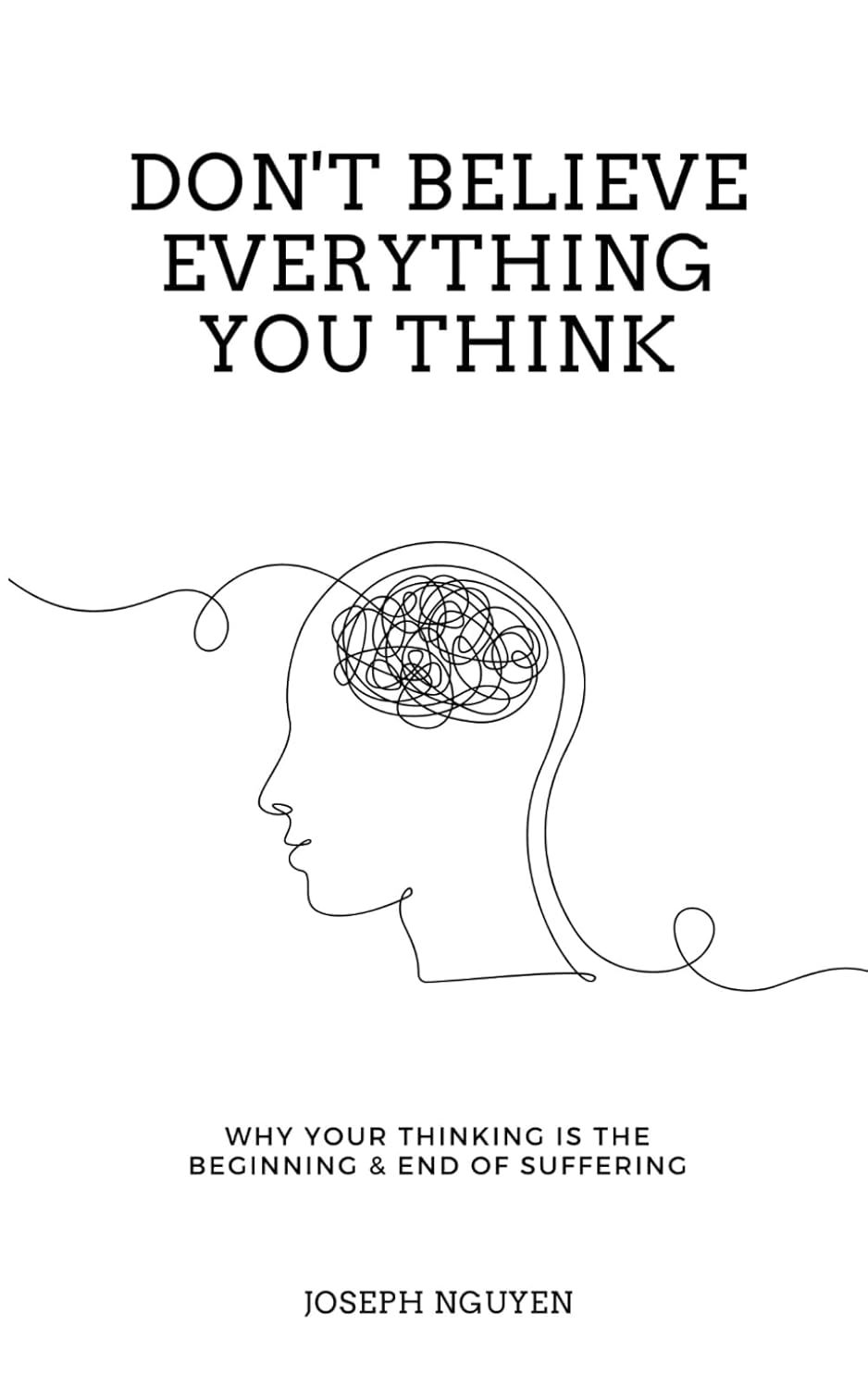
Don’t Believe Everything You Think: Why Your Thinking Is The Beginning & End Of Suffering (Beyond Suffering)
Price : $14.99
34% Off
The Upward Spiral: Using Neuroscience to Reverse the Course of Depression, One Small Change at a Time
Price : $12.60 18.95
36% Off
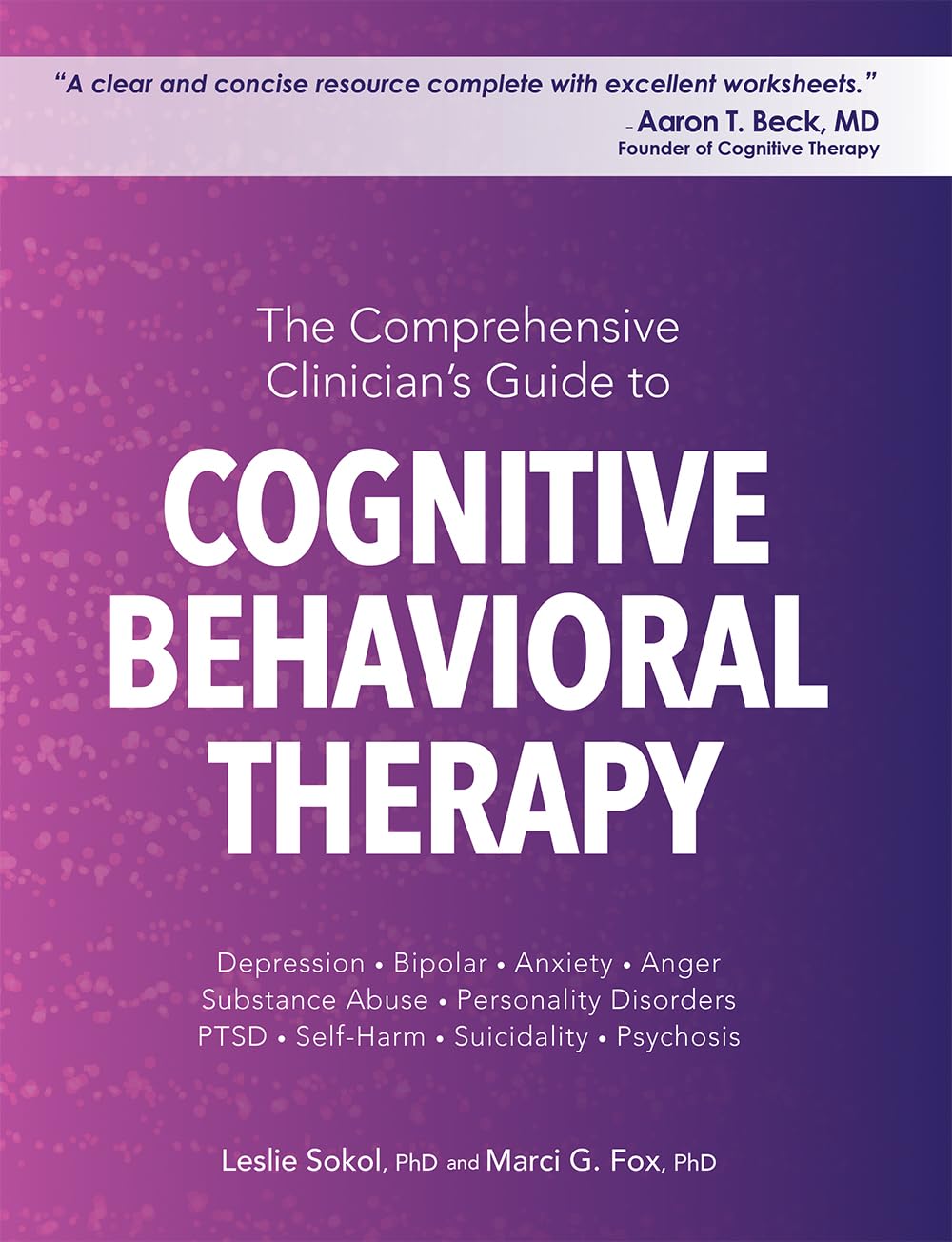
The Comprehensive Clinician’s Guide to Cognitive Behavioral Therapy
Price : $27.68 42.99
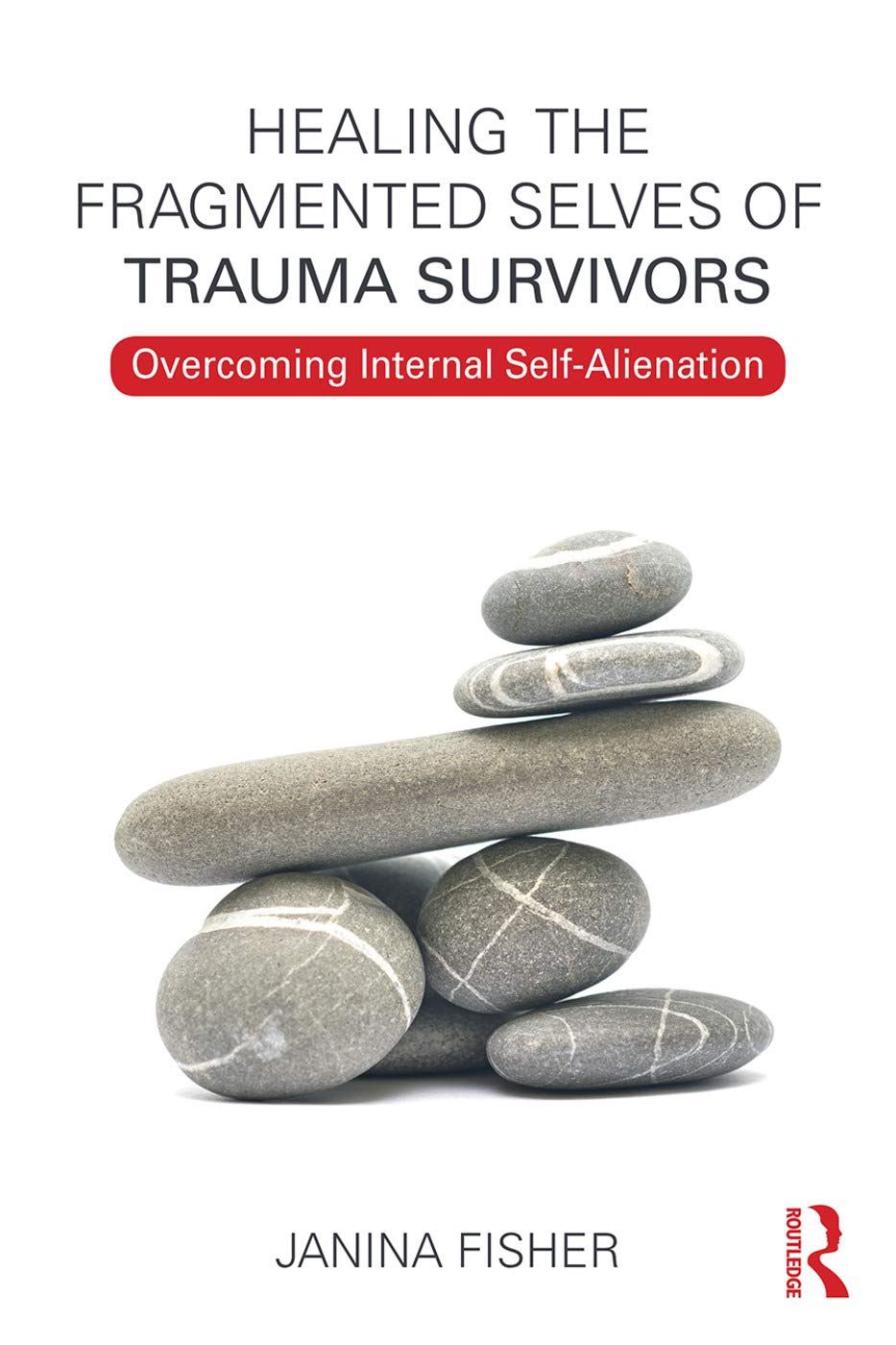
47% Off
Healing the Fragmented Selves of Trauma Survivors: Overcoming Internal Self-Alienation
Price : $27.56 51.99
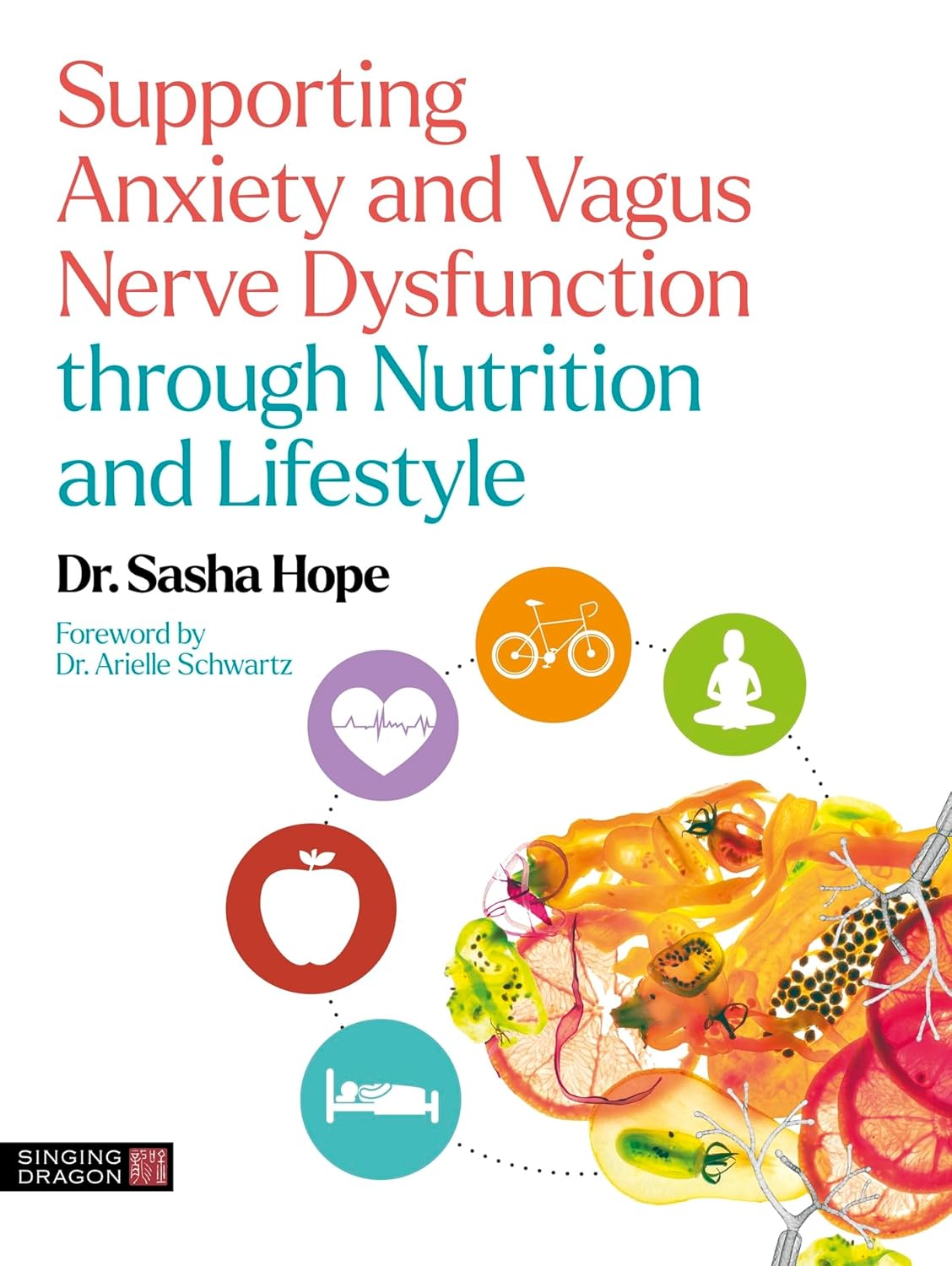
12% Off
Supporting Anxiety and Vagus Nerve Dysfunction through Nutrition and Lifestyle
Price : $35.04 40.00

Somatic Exercises for Nervous System Regulation: 90+ Simple Techniques to Release Trauma, Reduce Tension, and Alleviate Anxiety and Stress
Price : $19.95
Related FAQs
Depression is a common mental health condition that affects mood, energy, sleep, and daily functioning.
Common signs include persistent sadness, loss of interest, fatigue, sleep changes, and difficulty concentrating.
Depression can result from a mix of biological, psychological, and social factors, including brain chemistry, stress, and life events.
Support is available through crisis helplines like 988, community organizations, online resources, and mental health professionals.
If depression affects daily life, persists over time, or causes distress, reaching out to a mental health professional is important.